
Make your brilliant story even more special.
Enjoy €100 OFF on your purchase with code: SPARKLE100
Shop Now


Diamond EducationThe Ultimate Symbol of Beauty and StrengthDiamonds are one of the most coveted and timeless gemstones, symbolizing love, commitment, and brilliance. Whether set in an engagement ring, wedding band, or fine jewelry, diamonds are treasured for their unmatched sparkle and durability. Understanding diamond properties and quality factors helps you make an informed and confident choice when purchasing a diamond. 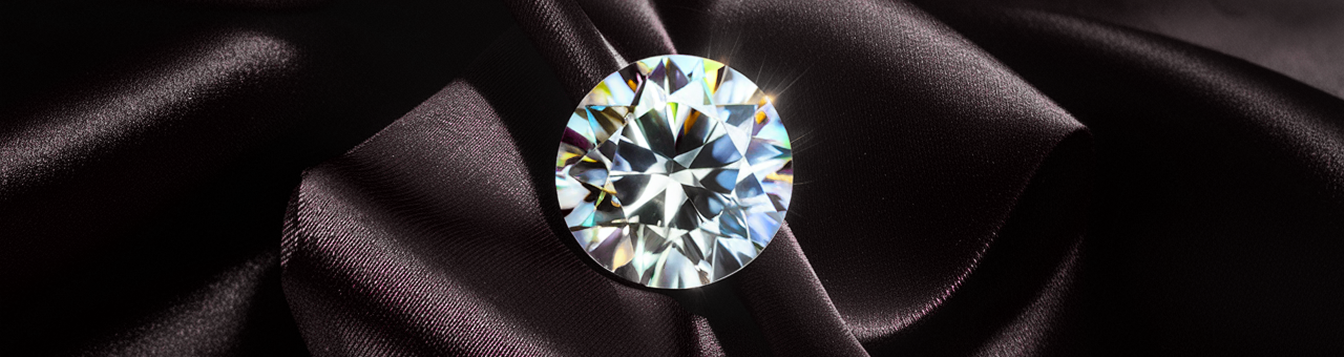
Diamond PropertiesBrilliance & FireDiamonds are known for their exceptional ability to reflect and refract light. Their brilliance comes from how well they reflect white light, while fire refers to the dispersion of light into beautiful rainbow colors. A well-cut diamond maximizes both of these properties, enhancing its sparkle. Hardness & DurabilityDiamonds are the hardest naturally occurring substance on Earth, ranking 10 on the Mohs hardness scale. This makes them resistant to scratches and ideal for everyday wear, especially in engagement rings and wedding bands. Rarity & ValueNatural diamonds take billions of years to form deep within the Earth. Their rarity and formation process contribute to their value, making them one of the most sought-after gemstones. FluorescenceSome diamonds exhibit fluorescence, which causes them to glow under UV light. While fluorescence does not affect a diamond's structure, it can influence its appearance. Faint to medium fluorescence can enhance a diamond's whiteness, while strong fluorescence may create a slightly hazy effect. 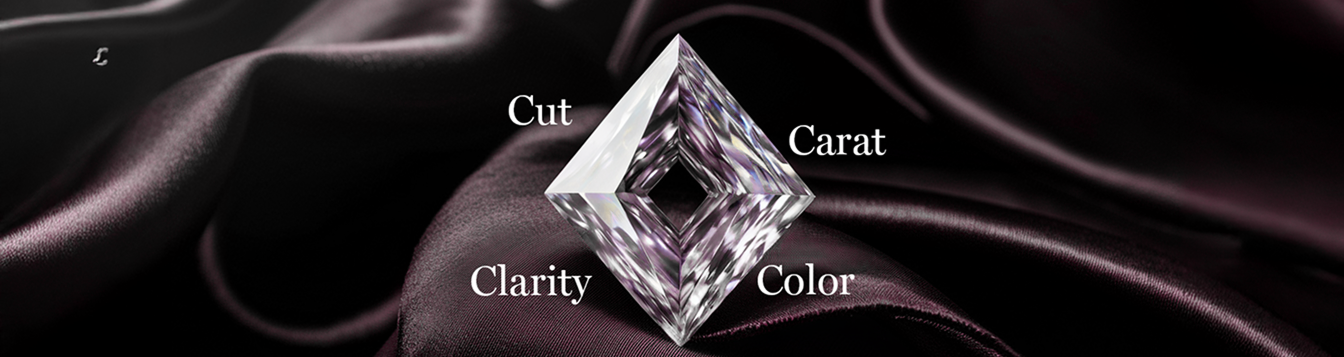
The 4Cs of DiamondsWhen purchasing a diamond, the 4Cs—Cut, Color, Clarity, and Carat Weight—are the most important factors to consider. Cut (The Most Important Factor)The cut determines how well a diamond reflects light and is the key to its brilliance. Even a high-quality diamond can appear dull if not cut properly. The most popular cut grades are:
Color (Diamond's Natural Hue)Diamonds are graded from D (colorless) to Z (light yellow or brown). The less color a diamond has, the rarer and more valuable it is.
Clarity (Purity of the Diamond)Clarity measures the presence of internal (inclusions) and external (blemishes) imperfections. The clarity scale includes:
Carat Weight (Size of the Diamond)Carat refers to the diamond’s weight, not necessarily its size. A larger carat weight generally means a bigger diamond, but cut quality also influences how large the diamond appears.
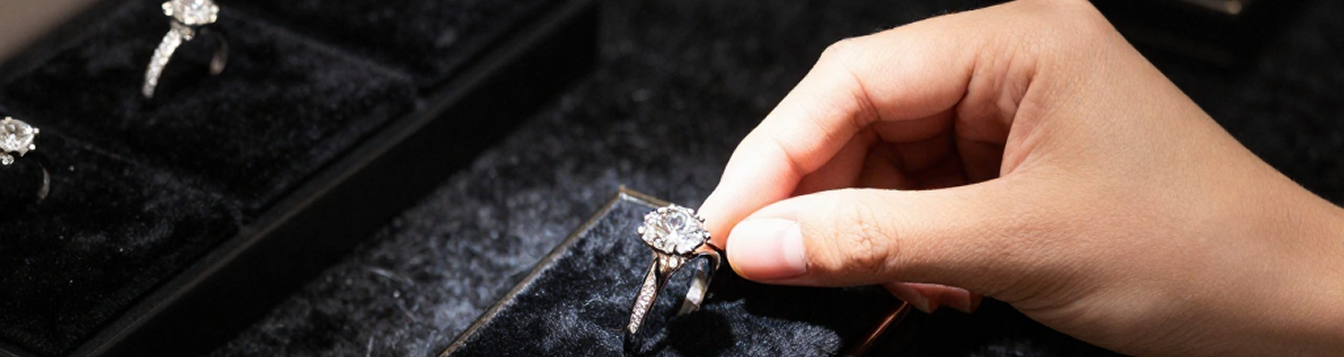
Diamond ShapesDiamonds come in a variety of shapes, each offering a unique look and appeal. The most popular shapes include:
Final ThoughtsA diamond is a lifelong investment, whether it's for an engagement ring, wedding band, or fine jewelry. Understanding its properties and the 4Cs will help you find the perfect stone that fits your style, budget, and personal significance. Explore different cuts, colors, and settings to discover a diamond that will shine brilliantly for a lifetime. |

Feel the Magic in Every Detail
Experience Astrid Gold in person at our elegant showroom. Our expert jewelers are here to help you find your perfect piece.